Wedding photography & films in BengaluruKeep the feeling. Every frame.

Élan Films is a wedding photography and film studio in Nagasandra, Bengaluru. It covers weddings and pre-wedding shoots in Bengaluru and around (Coorg, Chikmagalur, Mysuru, Hampi, Kabini, Sakleshpur), Goa and Kerala. Consultations are by appointment, and the first answer about your date comes in writing.
Moments a South Indian wedding cannot re-shoot
Each happens once, often in seconds and often in poor light. A coverage plan is built around moments like these, so you should know them before you brief anyone.
These are reference photographs by other photographers, each credited on its frame. None of them is an Élan wedding.
-
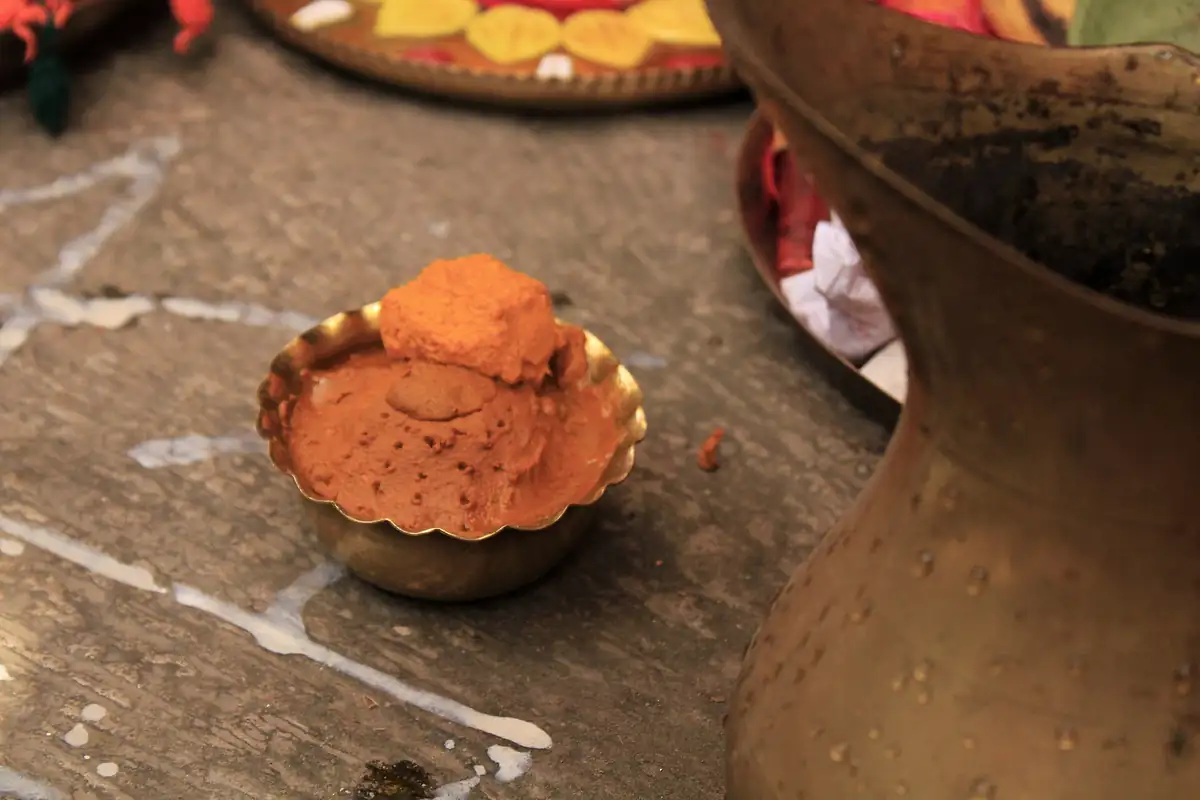
01 Arishina, the haldi
Fresh turmeric, wet hands, everyone laughing. It is over before breakfast. Reference photograph by another photographer · Debapriya Manna / Wikimedia Commons · CC BY-SA 4.0 · resized, colour-graded and re-encoded as WebP; this adaptation is shared under the same CC BY-SA 4.0 licence -
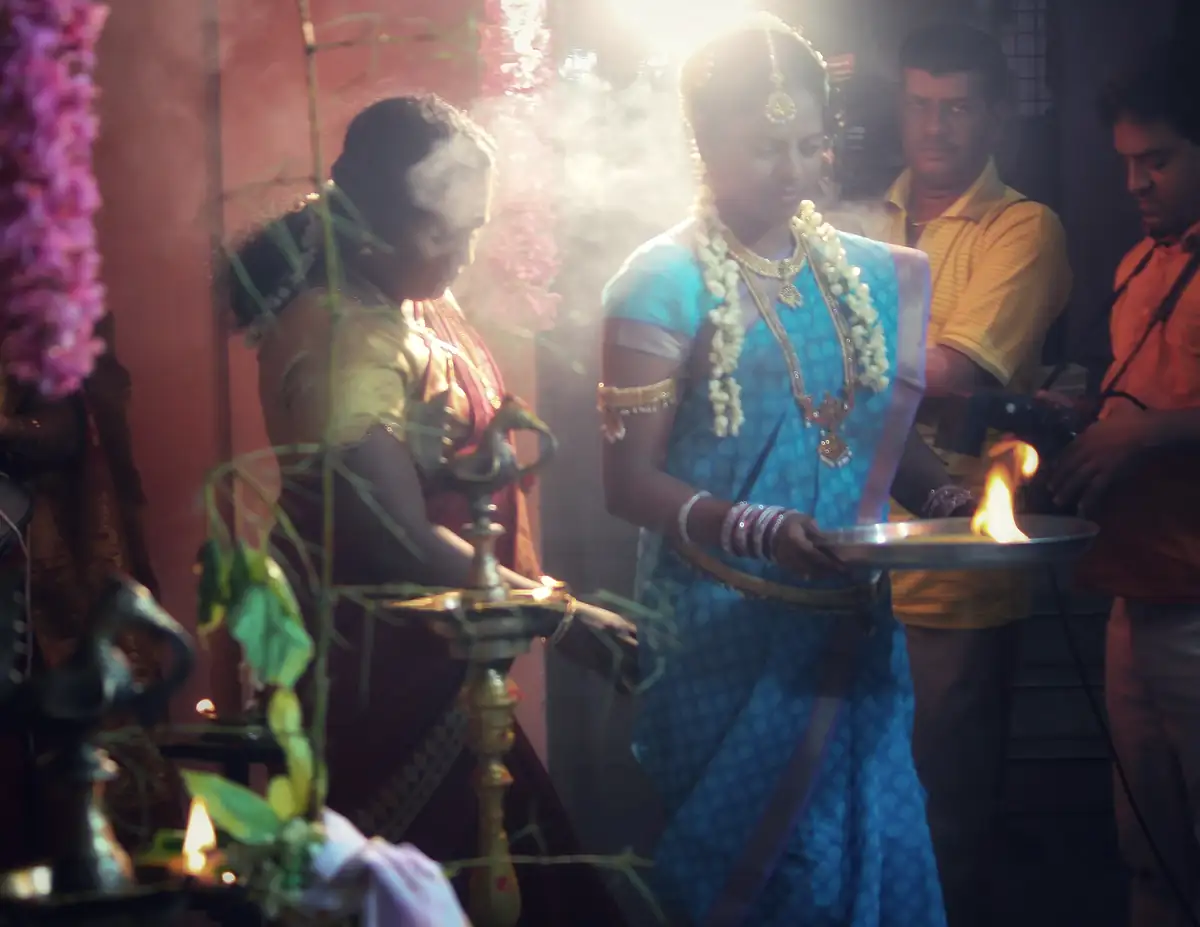
02 Aarti
Camphor smoke and one shaft of light. A flash would flatten all of it. Reference photograph, not an Élan wedding · Nandhinikandhasamy / Wikimedia Commons · CC BY-SA 4.0 · resized, colour-graded and re-encoded as WebP; this adaptation is shared under the same CC BY-SA 4.0 licence -
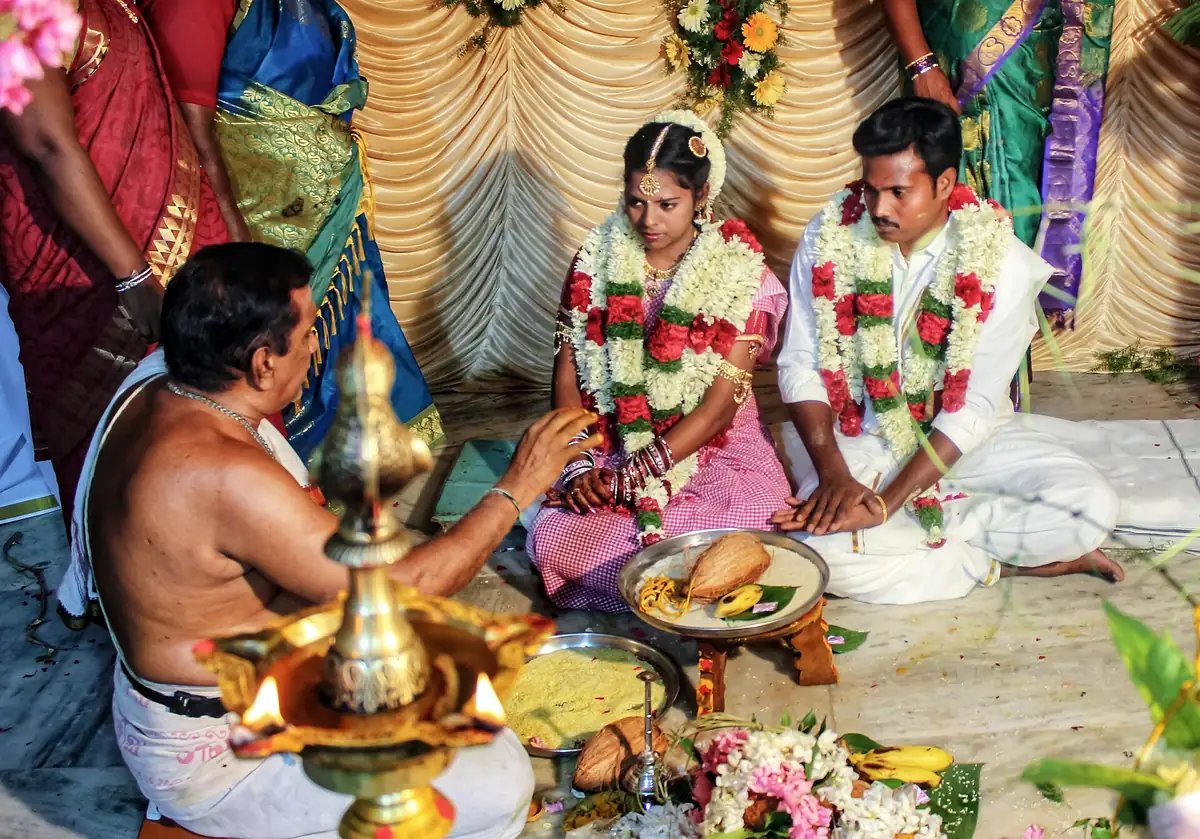
03 The homam
Priest, fire and couple on one line. The camera position is agreed before the hall fills. Reference photograph, not an Élan wedding · Nandhinikandhasamy / Wikimedia Commons · CC BY-SA 4.0 · resized, colour-graded and re-encoded as WebP; this adaptation is shared under the same CC BY-SA 4.0 licence -
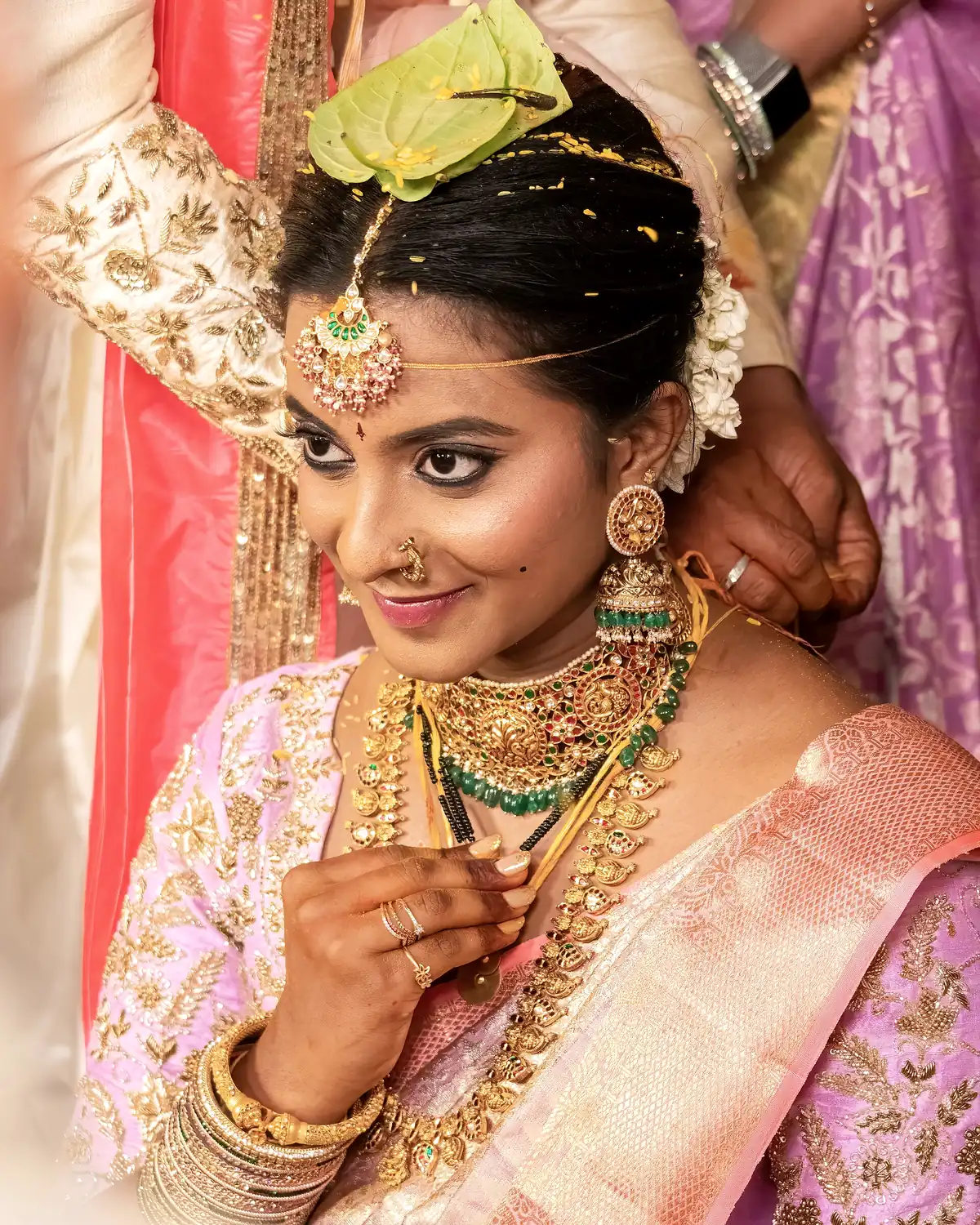
04 Mangalya dharanam
The thali is tied in a few seconds. Nobody repeats it for a camera. Reference photograph, not an Élan wedding · iMahesh / Wikimedia Commons · CC BY-SA 4.0 · cropped, resized, colour-graded and re-encoded as WebP; this adaptation is shared under the same CC BY-SA 4.0 licence -
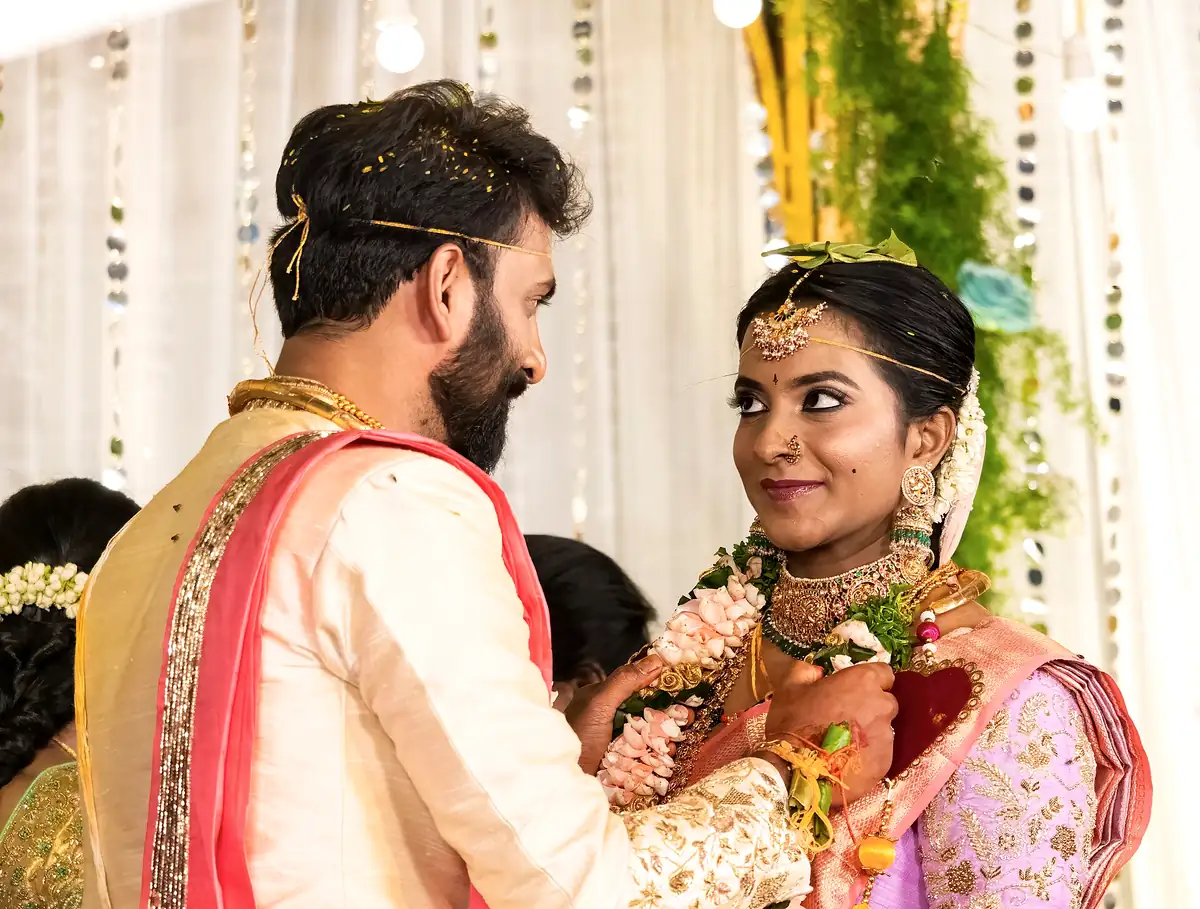
05 The garland exchange
One look between two people. The lens has to be on it already. Reference photograph, not an Élan wedding · iMahesh / Wikimedia Commons · CC BY-SA 4.0 · resized, colour-graded and re-encoded as WebP; this adaptation is shared under the same CC BY-SA 4.0 licence -
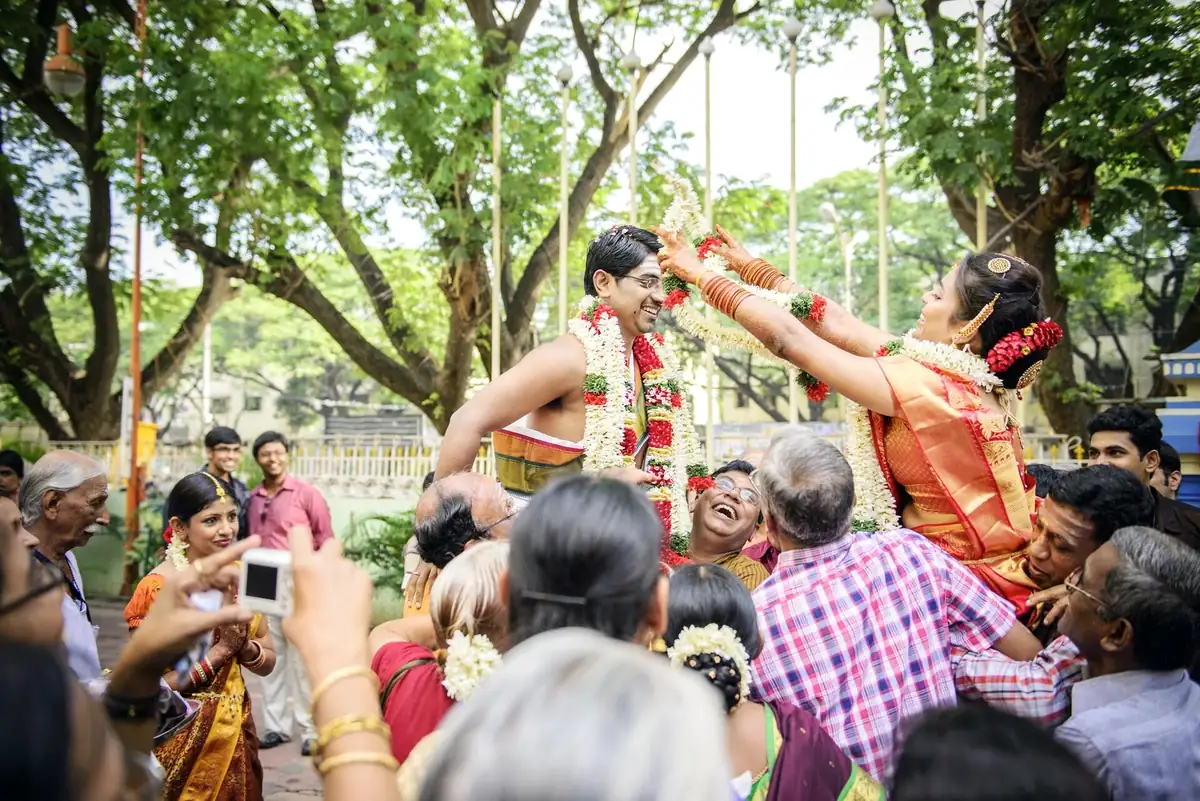
06 The lift
The uncles lift them and the crowd closes in. The second camera stands on the other side. Reference photograph, not an Élan wedding · MaitriNarayanamangalam / Wikimedia Commons · CC BY-SA 4.0 · resized, colour-graded and re-encoded as WebP; this adaptation is shared under the same CC BY-SA 4.0 licence -
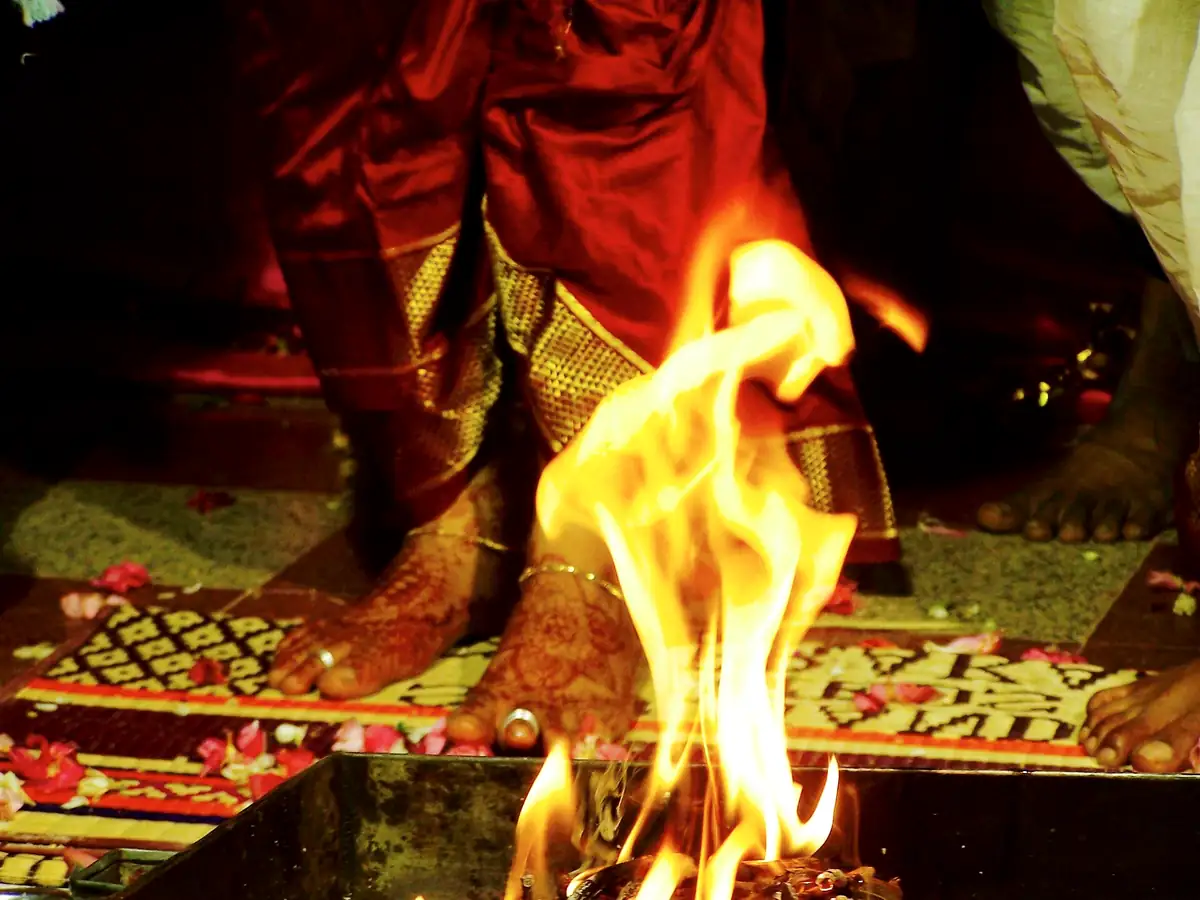
07 Saptapadi
Seven steps beside the fire, best seen from the floor. Reference photograph by another photographer · Symphoney Symphoney / Wikimedia Commons · CC BY 2.0 · resized, colour-graded and re-encoded as WebP -
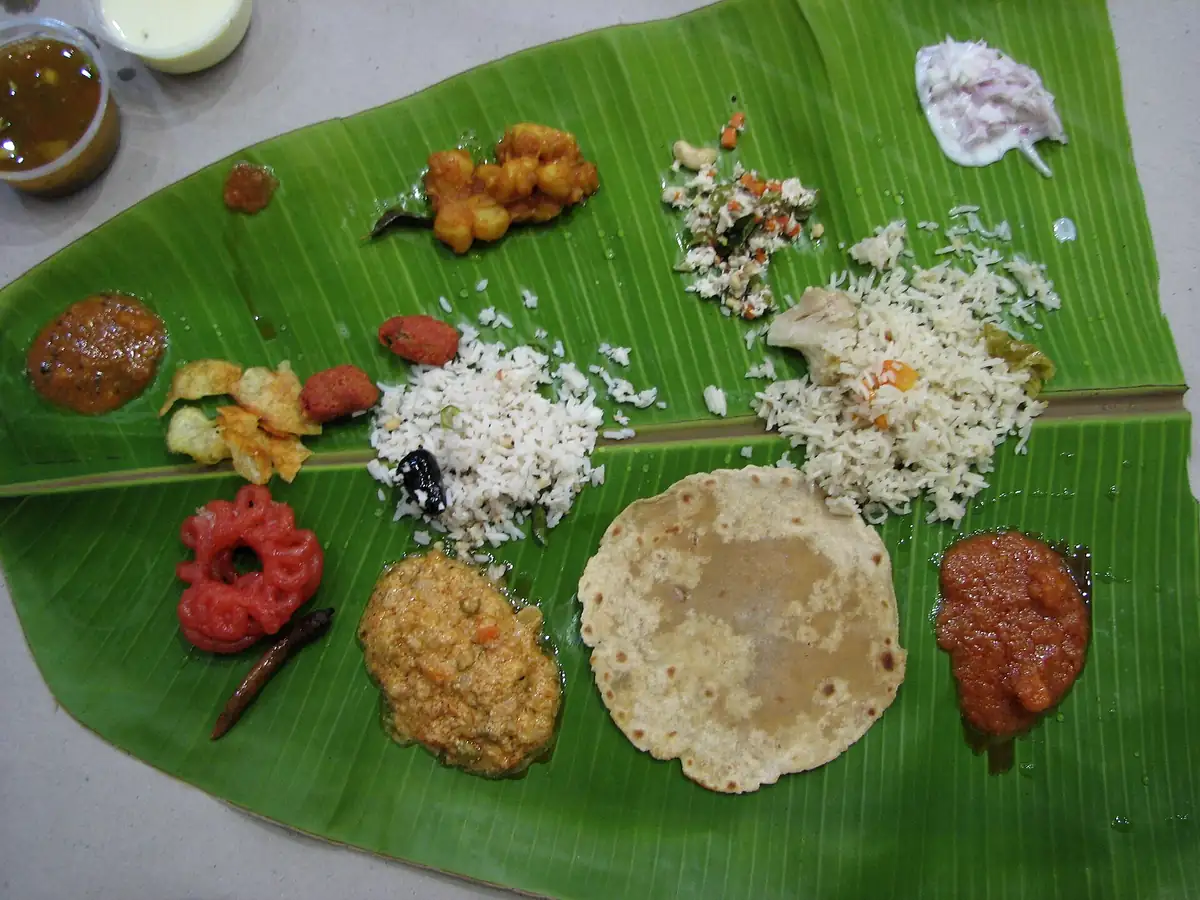
08 The leaf lunch
Every grandparent seated at once, the easiest family frame of the day. Reference photograph by another photographer · McKay Savage / Wikimedia Commons · CC BY 2.0 · resized, colour-graded and re-encoded as WebP


.jpg)
.jpg)
_Hindu_wedding,_Saptapadi_ritual_before_Agni_Yajna.jpg)

Scroll or drag the strip sideways. Hover or focus a frame to mark it.
The photographer you met is not always the one who turns up.
Here, the names are in the contract.
Whoever is shooting your wedding is named in your written quotation before you sign, and so is the rest of the crew. The person named is the person who turns up.
If we are not free on your date, we say so straight away and tell you what to look for in whoever you book instead.
The photographs
Observed for everything that happens on its own. Directed, in a scheduled block, for the family frames, so nobody's grandmother is left out.
- Family block
- 20 to 40 minutes
- Delivery
- Date in the contract
The film
A second production running at the same time, with its own crew and its own sound. The length is decided before the wedding, not in the edit.
- Crew
- Its own
- Audio
- Recorded on the speakers
The day decides the crew
An example of a Bengaluru wedding day with an early muhurtham. Your family's order will be different. Send it to us and the crew plan is drawn from that, hour by hour.
The muhurtham
Tube light and lamps, about 3200KA light is placed before the hall fills. One camera holds the couple while another watches the parents.
Two cameras, one hallTwo rooms, one hour
Window daylightThe bride is getting ready here while the groom arrives across town. One person cannot be in both places.
Two cameras, two addressesBlue hour
About 5600K and fallingThe best twenty minutes of light arrive just as dinner is called. Plan for the two of you to be outside in it.
One camera, just the coupleThe reception
Stage wash, often magentaStage rigs are lit for guests, not sensors. Decide before the evening how faces should look.
Stills and film, agreed positions
Times are illustrative. Muhurtham times are set by your family's priest.
What a full Bengaluru wedding costs, photography only
₹1,00,000 – ₹3,00,000
That is the observed market band as of September 2026, not our rate card. Add a film and the band runs ₹2,00,000 to ₹6,50,000. Your figure comes from your events and your crew plan, with film and travel shown as separate lines.
A new studio, and what you get from that
Élan Films is new. You will not find a gallery of our weddings here yet, and we will not borrow one. What you get instead is the part most studios keep vague: the crew named in writing, a plan drawn from your timeline, a figure with its reasoning, and delivery dates in the contract.
For couples who would rather be photographed moving than arranged.
When we publish our own weddings, they will be complete sets, shown with the couple's permission.
Make a better brief
Read the Bangalore planner and photography coordination guide, compare decorators through a lighting lens, or explore our photography guides.
For location-specific planning, explore the independent teams at The Bangalore Wedding House, The Goa Wedding Co. and The Kerala Wedding Collective. Confirm each team's scope and availability directly.
Getting married outside the city? See wedding photography in Goa, in Kerala, or the shoot guides for Coorg, Mysuru and Chikmagalur.
Credit for the photograph at the top of this page
- A brass kuthu vilakku lit with jasmine at a South Indian wedding, the couple out of focus behind it. Reference photograph by another photographer · Ravindraboopathi / Wikimedia Commons · CC BY-SA 3.0 · cropped, resized, colour-graded and re-encoded as WebP; this adaptation is shared under the same CC BY-SA 3.0 licence

None of these photographs shows an Élan wedding. They are other photographers' work, used under the licences named.
EnquireName and WhatsApp number is enough
Is your date free? Ask us.
Leave your name and WhatsApp number. If you already know the month and the place, add them in the message; if not, we will ask.
What happens after you send this
- The date, answered first. Free or not free, in writing, usually the same day. If we are not free we say so instead of stalling, and we will say what we would look for in whoever you book instead.
- A coverage plan for your events, not a package number. Which events need two cameras and which need one, where the light runs out, and what that comes to. The figure arrives with the reasoning attached.
- A call before anyone signs anything. Twenty minutes on how you want the day to feel and how much camera you actually want in your face. Some couples want to forget we are there; some want to be directed. The answer changes what we quote.